The Superwoman Schema Is Not a Compliment
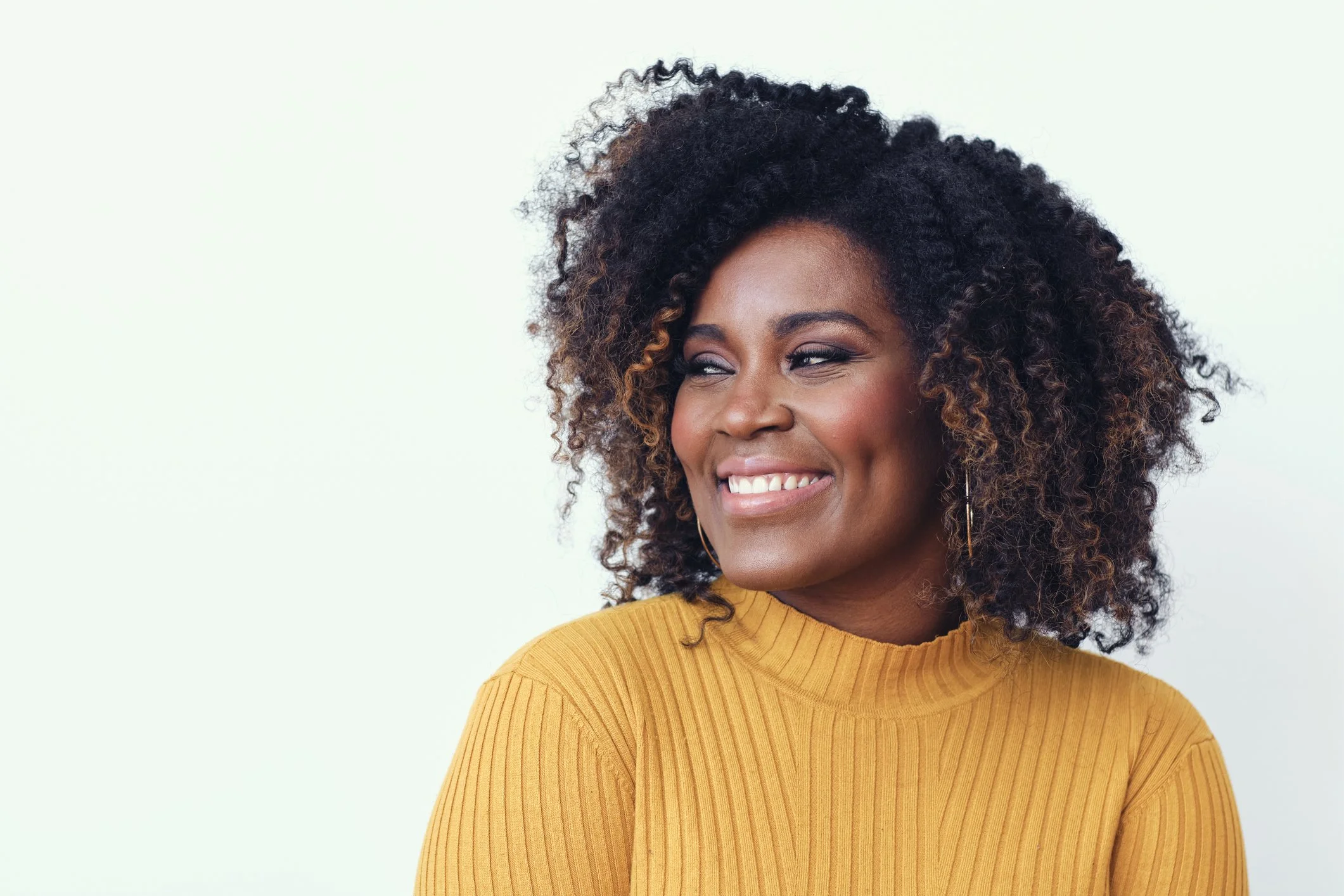
There is a specific kind of exhaustion that comes from being told your whole life that you are strong. Not as a compliment. As a requirement.
The Superwoman Schema, a term coined by researcher Cheryl Woods-Giscombé, describes a set of beliefs and behaviors that many Black women internalize around strength, self-sufficiency, and the suppression of need. It includes the obligation to present strength at all times, the compulsion to suppress emotions, resistance to vulnerability and dependence, determination to succeed despite any barrier, and the prioritization of everyone else's care over your own.
I see this in my office regularly. Not in crisis. In the ordinary, accumulated weight of women who have been strong for so long that they have forgotten they are allowed to need something.
What the Research Actually Shows
This is not a cultural observation without clinical grounding. It is one of the most well-documented patterns in Black women's mental health research, and the findings are consistent.
Research published in Social Problems in 2025 found that Black women who endorse Superwoman Schema dimensions, specifically the obligation to suppress emotions and the obligation to help others, experience significantly worse mental health outcomes, including higher rates of depressive symptoms. The study, which followed Black women in early midlife, also found that financial strain compounds these effects, creating a layered burden that the Superwoman Schema makes harder to acknowledge and harder to ask for help with.
A separate study published in 2024 examining help-seeking among Black women found that low adherence to Superwoman Schema dimensions, specifically the suppression of emotions, resistance to vulnerability, and obligation to help others, was directly associated with higher likelihood of seeking mental health support. In other words, the same dimensions that define the Superwoman Schema are the ones most actively working against a woman's ability to get help.
And research published in Ethnicity & Health in 2025 found that Black women who are high in emotional suppression, resistance to vulnerability, and obligatory helping are more likely to experience elevated stress, not as a temporary state but as a chronic condition that accumulates over time.
The through line across all of this research is the same: the cultural mandate to be strong is not protecting these women. It is making them sicker.
What Does the Superwoman Schema Look Like in Real Life?
The Superwoman Schema does not always announce itself. It looks like the high-achieving professional who has not taken a real vacation in three years because things fall apart when she is not there. It looks like the woman who comes to therapy and spends the first several sessions reassuring me that she is fine, actually, she just wanted to talk through a few things. It looks like the person who is the first call for every person in her life and who has no equivalent first call herself.
It looks like roughly 40% of Black women leaders reporting burnout, at a rate significantly higher than their white counterparts, because the expectation to perform composure and competence regardless of what it costs does not lift when the title gets higher. It often intensifies.
But it also looks quieter than that. It looks like the woman who feels guilty for resting. Who describes needing help as a personal failure rather than a human need. Who has become so practiced at managing everything alone that she genuinely does not know how to let someone else carry something. Who, when asked how she is doing, says fine — not because she is, but because the real answer has never felt like something she had permission to give.
Why Strength Without Rest Becomes a Liability
I want to be careful here, because I am not arguing against strength. Black women's resilience is real, earned, and not a fiction. What I am arguing against is the cultural mandate that makes rest, vulnerability, and need feel like character flaws.
The narrative of the "always-on" strong Black woman is rooted in survival structures from a different era. Strategies that were once necessary for protection but were never intended to be a permanent way of being. In high-performance spaces, in leadership roles, in the relentlessness of caregiving, this myth has become a liability. It asks women to hide the very human experiences that make them whole.
There is a cost to this that does not always show up as burnout or breakdown. Sometimes it shows up as a slow erosion — a growing distance from joy, from genuine connection, from a felt sense of self that exists outside of what you produce and who you take care of. The woman carrying this is not visibly struggling. She is performing. And performing, over time, is its own kind of depletion.
Burnout is not the price of brilliance. Exhaustion is not a credential. And the expectation that Black women should carry more, absorb more, and ask for less is not something I am willing to normalize in my clinical work or anywhere else.
Why Therapy Feels Complicated for Women Who Have Always Been Strong
One of the most consistent things I see in my practice is that the Superwoman Schema does not just prevent Black women from reaching out for support. It shapes what happens when they finally do.
The woman who has spent decades being the strong one arrives in therapy and often does not know how to be the person who needs something. She may minimize what she is carrying. She may spend sessions taking care of me, making sure I know she appreciates my time, that she does not want to burden me, that things are not that bad really. She may intellectualize the work, discussing her patterns with clinical precision while remaining emotionally untouched by what she is saying.
None of this is resistance in the problematic sense. It is an adaptive strategy that has been so thoroughly rehearsed that it operates automatically, even in a room specifically designed to be safe.
This is why culturally responsive care matters. A clinician who does not understand the Superwoman Schema may interpret emotional suppression as progress, as composure, as the client being okay. A clinician who does understand it recognizes it as the thing we are there to work through, not around.
The goal of this work is not to make you less strong. It is to make strength a choice rather than a compulsion. To create enough internal space that vulnerability becomes possible, that rest becomes bearable, that needing something does not feel like a betrayal of who you are.
What I Want You to Consider
If you have been called strong your whole life and it has started to feel more like a cage than a compliment, that is worth paying attention to. If you are the person everyone else leans on and you cannot remember the last time you leaned on someone, that is information. If rest feels indulgent or dangerous or somehow wrong, that is not a personality trait. That is a pattern, and patterns can be understood and changed.
The fact that you have carried so much for so long is not evidence that you should keep carrying it alone. It is evidence that you have never been given permission to do otherwise. That permission is available. You do not have to earn it.
I work with high-achieving professionals and Black women navigating exactly this: the accumulated weight of performing strength in every room while quietly running on empty. If this resonates, I would welcome a conversation.
Explore further: The emotional and physical toll of this pattern is one of the primary things I address in my work on burnout and the pressure to perform. The grief that often lives underneath the Superwoman Schema is something I explore in depth in Grief Nobody Talks About: When the Loss Isn't a Death. If the exhaustion has become physical, it may also be worth reading about how chronic illness and chronic pain intersect with sustained emotional labor. And if what you are carrying feels like it needs more than weekly sessions can hold, my therapy intensives may be worth exploring. Schedule a consultation
